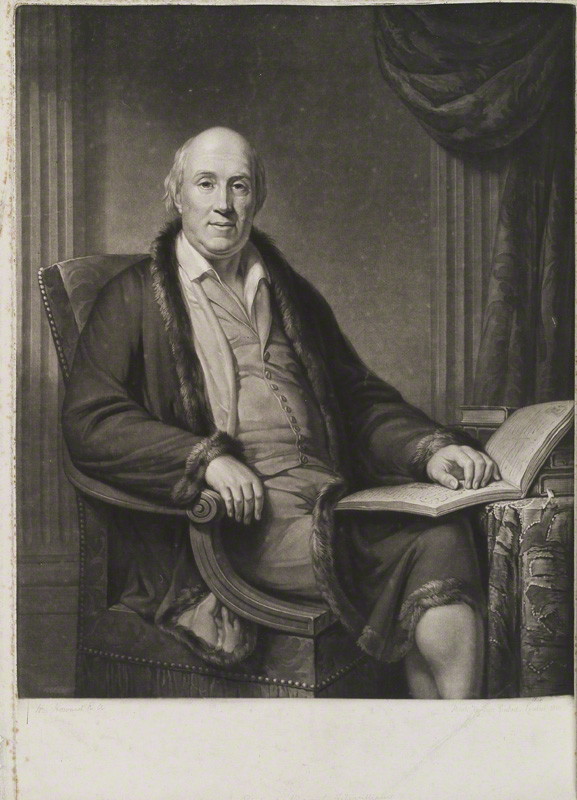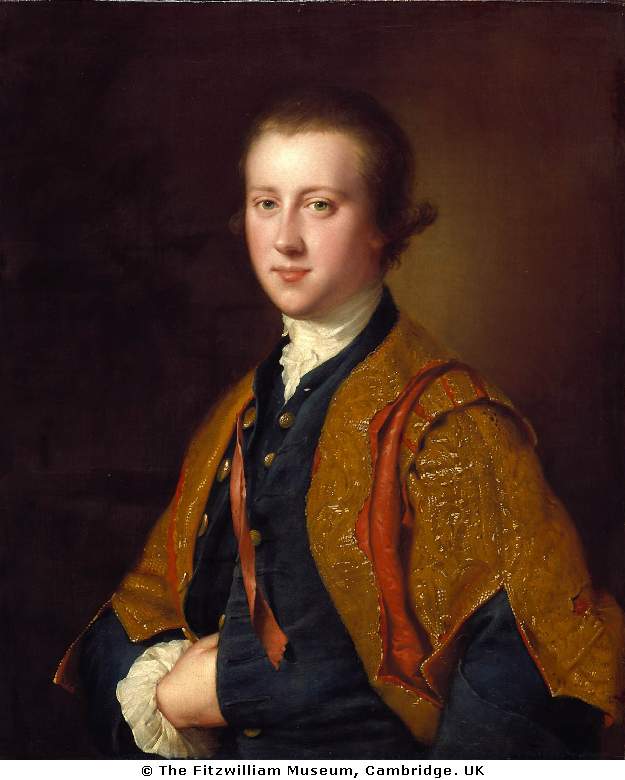
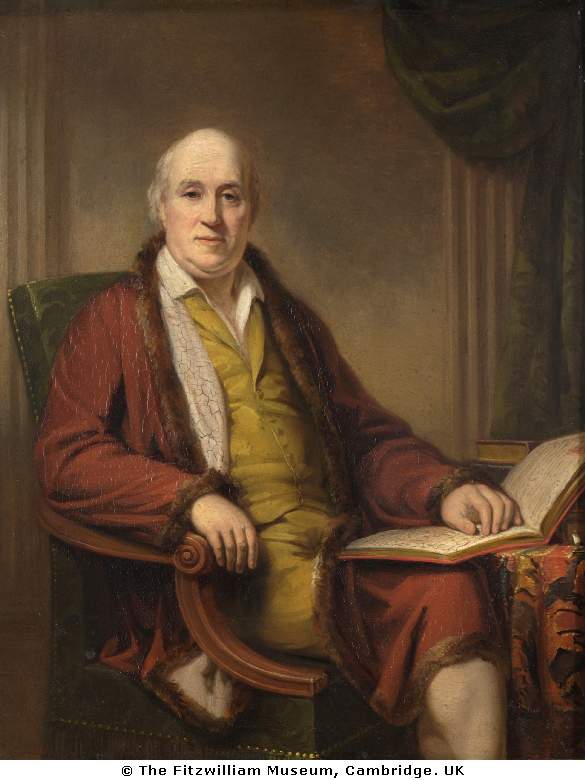
Richard Fitzwilliam, 7th Viscount Fitzwilliam,
He was a great lover of France,
fluent in French,
and a supporter of the French Royalists after the
French Revolution 1789.
His house at Richmond Green
was a centre for exiled French nobles and Royalists
who had fled the
French Revolution
to England.
Fellow of
Royal Society
1789.
MP for Wilton
1790-1806.
(Wilton was home of his 1st cousin the
10th Earl of Pembroke.)
He
continued the development of Georgian SE Dublin.
Act for enclosing centre of Merrion Square 1791.
Fitzwilliam Square designed from 1789,
laid out 1792.
He was
author of the book:
Lettres d'Atticus
(or: Considerations sur la religion catholique et le protestantisme
par un Anglois protestant),
published in French in
1811,
which showed considerable sympathy for Catholicism.
He
built the new Catholic church at Booterstown
for his Catholic tenants in 1812.
Act for enclosing centre of Fitzwilliam Square 1813.
The story goes that the 7th Viscount
was appalled by the Earl Fitzwilliam's manners in drinking tea, and resolved in favour
of Pembroke.
(Maybe it was the young
future 5th Earl Fitzwilliam
that he had for tea.)
His will apparently leaves the estates specifically to the 11th Earl's younger son
Sidney
(later 1st Baron Herbert of Lea, then only a child, born 1810)
rather than to the 11th Earl.
Must have left it to the 11th Earl to hold in trust for his son.
Note that the elder son Robert (later the 12th Earl, born 1791)
had already disappointed the family
with an unapproved marriage in 1814.
The 7th Viscount spent a lifetime collecting works of art and other treasures,
and decided to leave them all
(and many Fitzwilliam family portraits)
to the Cambridge that he had always loved.
This founded the Fitzwilliam Museum, Cambridge 1816,
starting its extensive collection.
He
died unmarried, 4 Feb 1816,
Bond Street,
London,
age 70 yrs.
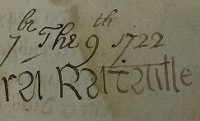
His will pr 22 February 1816,
Prerogative Court of Canterbury.
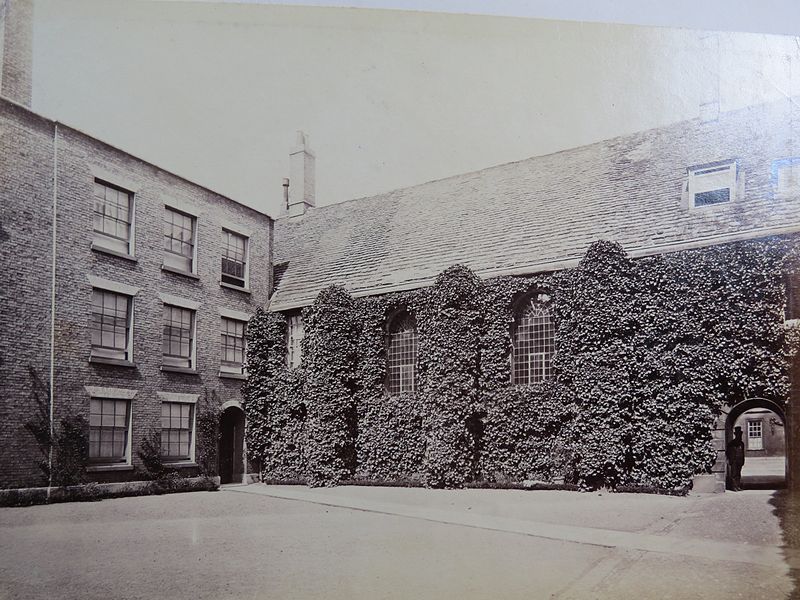
The chapel of
Trinity Hall, Cambridge.
Photo c.1870.
From here.
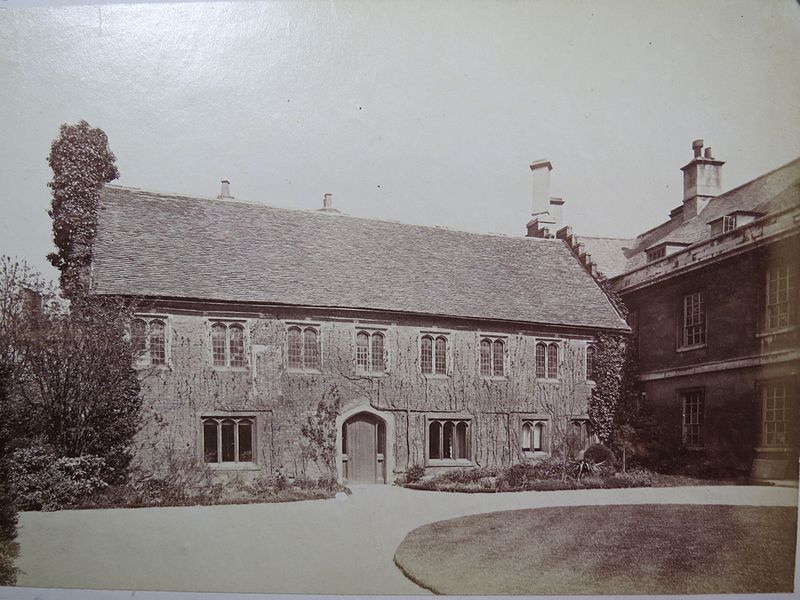
The library of
Trinity Hall, Cambridge.
Photo c.1870.
From here.

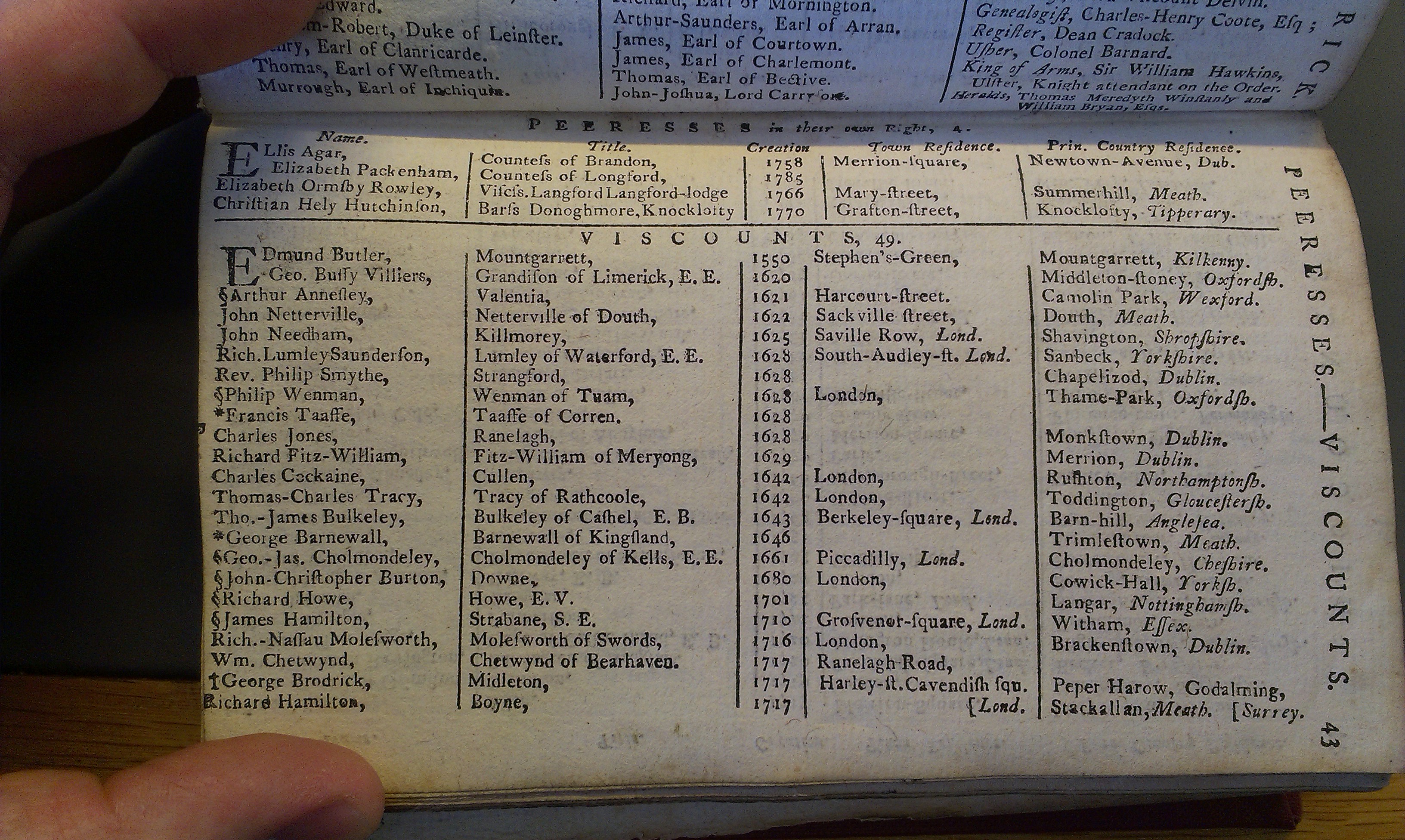
Listing of the Viscounts in
[Dublin Almanack, 1787].
Shows the 7th Viscount inaccurately with his seat at "Merrion".
See full size.
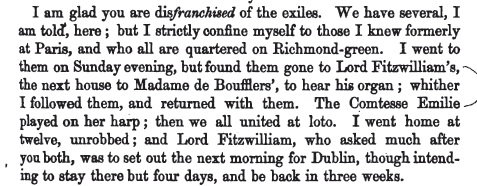
Letter by
Horace Walpole,
from Berkeley Square, London,
Wed 8 June 1791.
Shows the 7th Viscount planning an incredibly quick
trip to Ireland, to leave Mon 6 June.
From
Letters of Horace Walpole,
vol.9
(and here), p.323.
The "exiles" refer to exiled French nobles and Royalists,
who had fled the
French Revolution
to England.
Many of the French exiles lived in Richmond.

Follow-up letter by Walpole,
from Strawberry Hill,
23 June 1791,
showing the 7th Viscount has already been to Ireland and back.
From above, p.328.
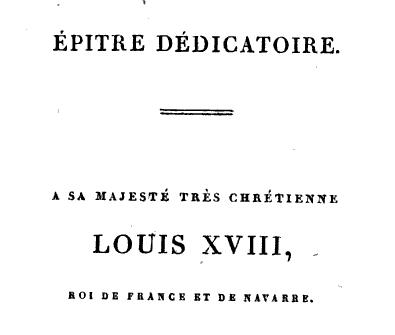
The 7th Viscount
dedicated his book
Lettres d'Atticus
(1811)
to the exiled
King of France
Louis XVIII.
Louis XVIII was
in exile in England
1807-14.
He was restored to the throne in France in 1814.
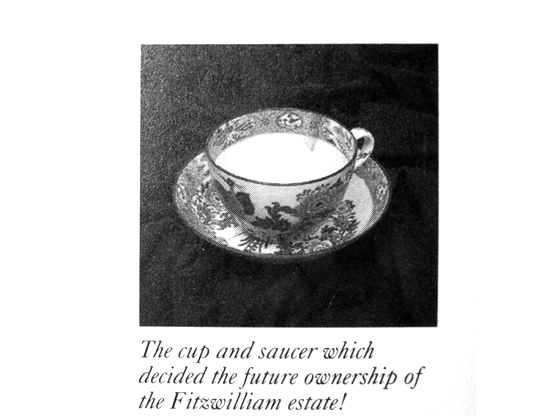
This is said to be the cup of tea that lost the estate to the Earls Fitzwilliam.
This is kept in the Pembroke Estate Office, Dublin [Wilkinson, 1925].
From Mount Merrion 300.
Used with permission.
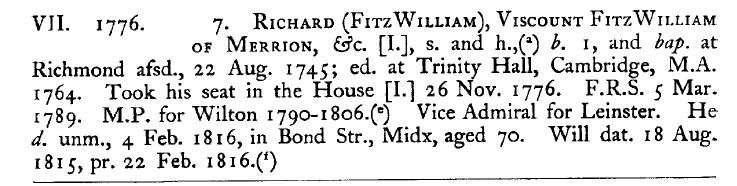
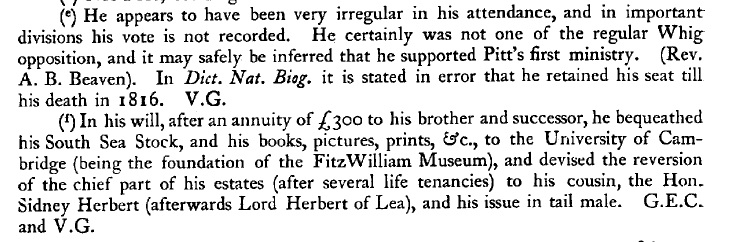
7th Viscount in
[Complete Peerage].
Please donate to support this site.
I have spent a great deal of time and money on this research.
Research involves travel and many expenses.
Some research "things to do"
are not done for years, because I do not have the money to do them.
Please Donate Here
to support the ongoing research and
to keep this website free.