Charles Joseph Kickham,
He was involved in the abortive
Young Ireland rebellion
in Co.Tipperary, July 1848 (age 20).
The
Mullinahone police station
was briefly captured by the rebels.
After the failure of the rising at Ballingarry, Co.Tipperary
(N of Mullinahone, see map)
he was forced to hide for a time.
His poem The harvest moon (1850)
is about the tenants harvesting by night, when by law the landlord could not seize their crops in lieu of rent.
He
fell in love with Bessy Blunden, young dau of local Protestant gentry, but she married another 1854.
He wrote to her a poem The last dream.
He wrote poems and ballads for Irish national periodicals, such as
The Nation,
The Irishman,
and The Celt.
The Irish peasant girl (alias She lived beside the Anner)
is regarded by many as his best poem.
George Cashel
(husband of his 1st cousin Mary Kickham)
was
head of the police in Mullinahone
1855-1858.
Wonder how they got on.
George was transferred out of Co.Tipperary in 1858,
possibly because Kickham was becoming of such concern to the authorities.
|
Prominent Fenian:
He joined the Fenians (the IRB) end 1860 - start 1861 [Comerford, 1979]. Though he would not take the secret oath, believing it should be a public movement. He sp bapt of his niece Josie Cleary Apr 1861. Fenian paper the Irish People launched Nov 1863. Kickham moved to Dublin to become co-editor. The Fenians were denounced by much of mainstream Ireland, including the Catholic hierarchy. Kickham himself, though a strong Catholic, defended the Fenians against clerical attacks, asserting that the Irish people need not accept clerical dictation on purely political issues. His first novel Sally Cavanagh, or, The untenanted graves: a tale of Tipperary was pub in serial form 1864, as book 1869. It is a tale of love among the small farmer class, describing the results of landlordism and emigration.
Jailed 1865-69:
|
He lived in family home at
Fethard St, Mullinahone.
Runs for MP, 1870:
The imprisoned O'Donovan Rossa
was elected MP for Co.Tipperary
in a by-election 27 Nov 1869.
But he was disqualified as he was a convicted felon.
Another by-election called for 28 Feb 1870.
Kickham was nominated.
He was a reluctant candidate, refused to campaign,
but still he was nearly elected.
He got within 4 votes of being MP for Co.Tipperary.
Got more votes than O'Donovan Rossa had, but so did the opponent.
Not a single voter from Mullinahone joined Kickham's opposition's escort to the polling station in
Cashel.
(Catholics could vote, but only wealthier ones.)
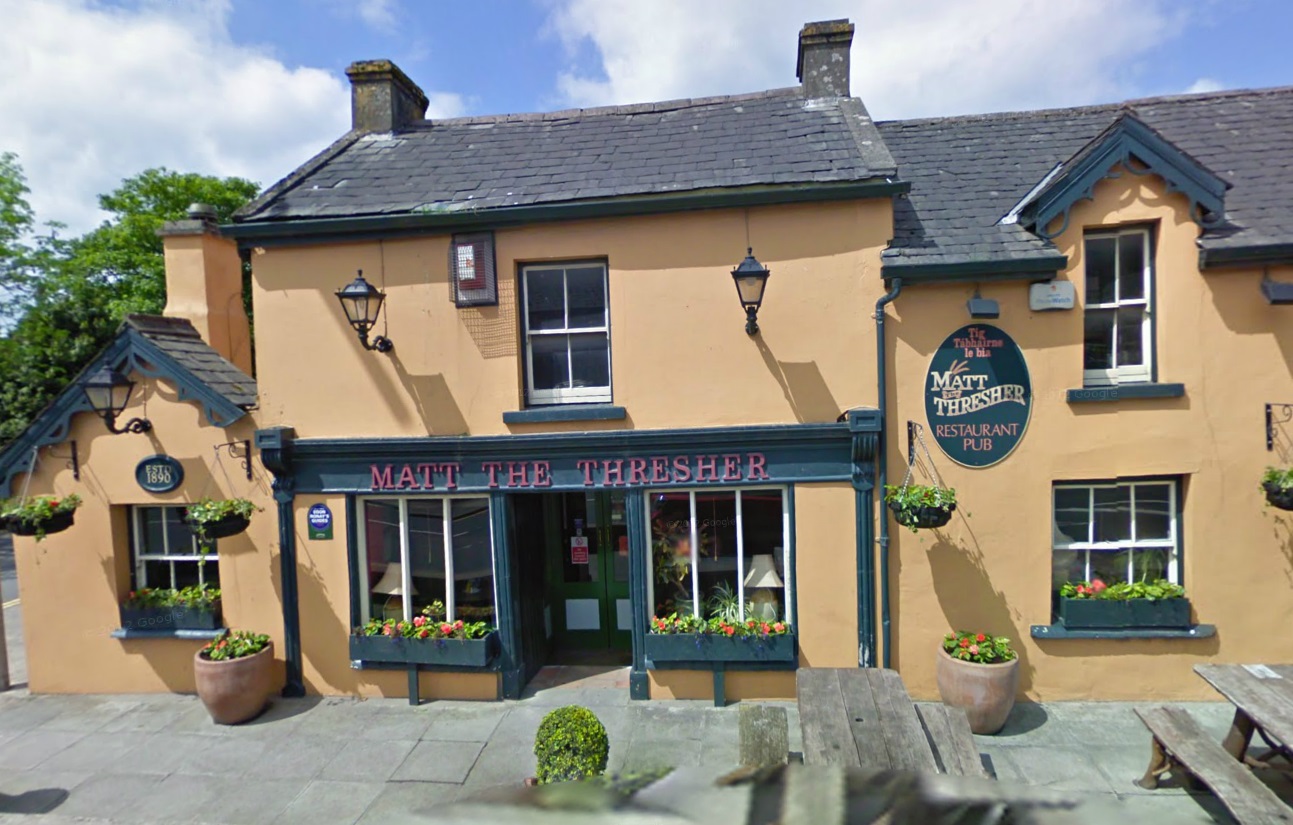
His great novel Knocknagow, or the homes of Tipperary was pub (partially) in serial form 1870, as book 1873. It is a drama about the land question. Love story set against backdrop of evictions, absentee landlords and their vicious land-agents. Set in the fictional place of Knocknagow, Co.Tipperary. The hero is his most famous character, Mat "the Thrasher" O'Donovan. It was perhaps the most popular Irish novel of the late 19th - early 20th century. See the movie Knocknagow (1918).
He became member of the new supreme council of the
Irish Republican Brotherhood
(IRB) by 1873.
He was
President of IRB
1873 until his death 1882.
But their base of support was lost to Parnell's home rulers
and the Land League.
He led the IRB largely into irrelevance in these years.
His
final novel
For the old land: a tale of twenty years ago written mid-1870s, finished 1878, not pub until 1886.
It is a
story of small farmers under the old land system.
He
did not marry.
Moves to Dublin, 1877:
After his nieces left Mullinahone Sept 1876,
he could not bear to stay alone in Mullinahone.
He went to live with his brother Alexander in Dublin early 1877.
In Nov 1879 he
went to live as a lodger at 2 St.John's Terrace, Blackrock, Co.Dublin
(now Montpelier Place, Dun Laoghaire).
Also in lodgings there was the young writer Rose Kavanagh
(1859-1891), age 20 and full of intellectual admiration for the Fenian veteran, now age 51.
She nursed him in his illness.
He became attracted to her,
but she did not feel the same.
Still, she wrote a poem to him after his death,
which is now on his grave:
"nought could thrust aside;
His lifelong love - the land whose sacred name;
Throbbed to the last through his life's ebbing tide".
He dedicated his last poem to her:
"Then blessed for aye be that autumn noon; In the lonely heather glen; When my heart awoke from its death-like swoon; And I felt that I lived again".
He
died 11.25pm, Tue 22 Aug 1882, St.John's Terrace, age 54 yrs.
Huge funeral, attended by many of his opponents
(the mainstream nationalists).
He was
bur in Catholic church yard, Mullinahone, Mon 28 Aug 1882.
See
his grave.
See Memorials to Charles Joseph Kickham, the Fenian.
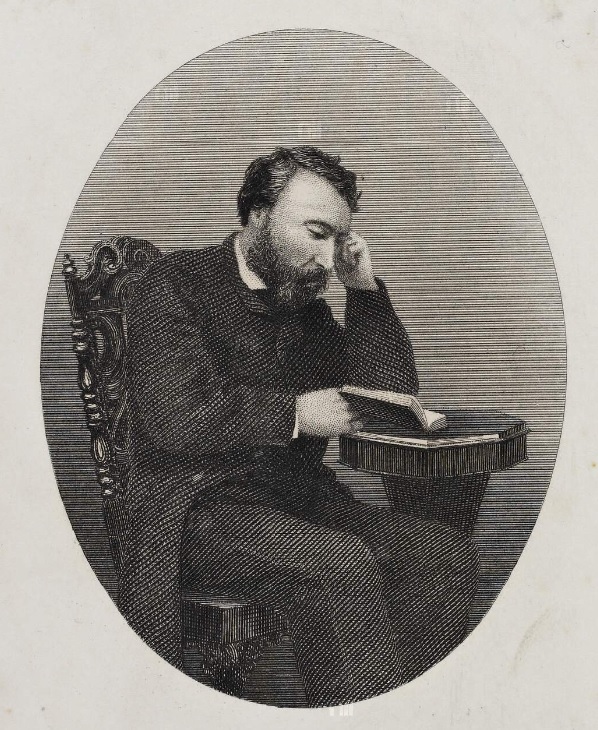
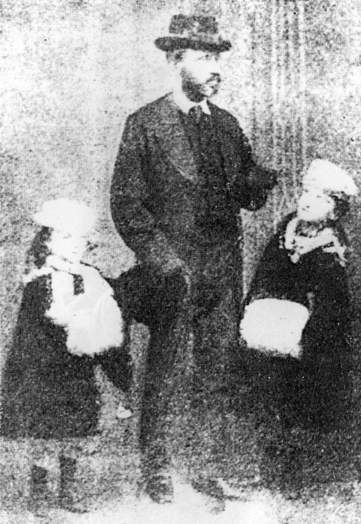
Photo c.1869 of Charles Joseph Kickham with his nieces Annie and Josie Cleary.
Image courtesy of
Cork Multitext Project, UCC
(formerly here).
Used with permission.
Originally from Tipperary Annual 1912.
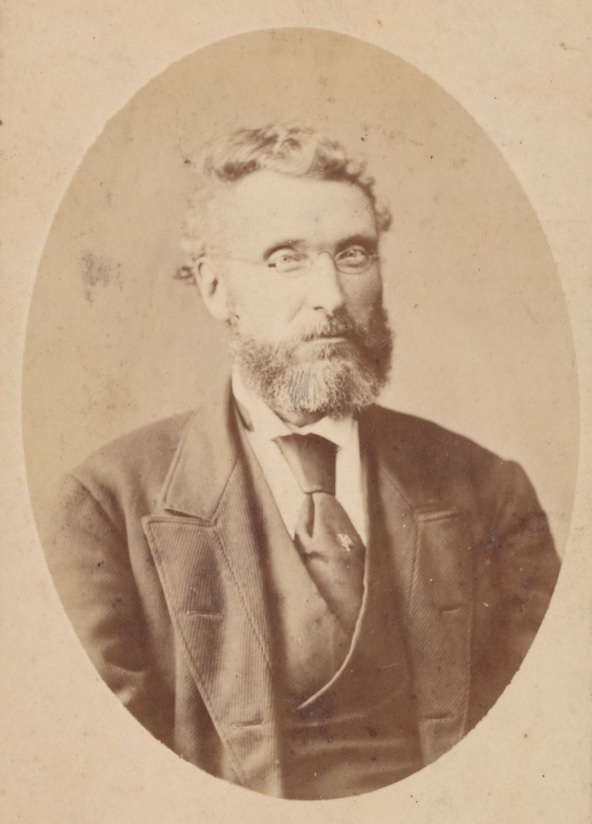
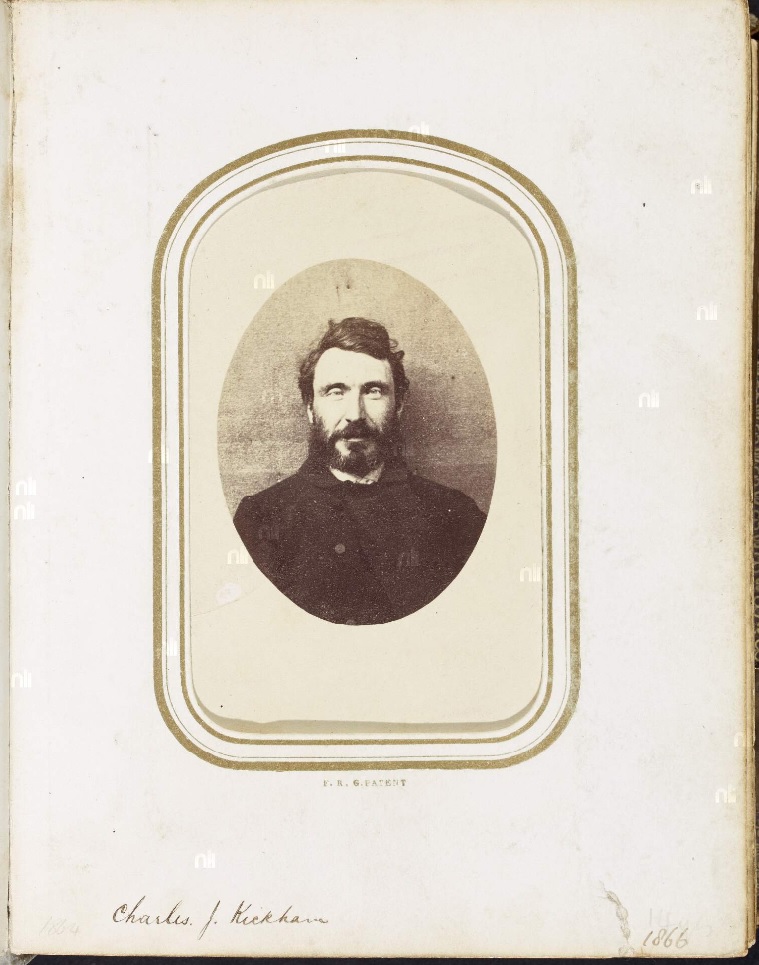
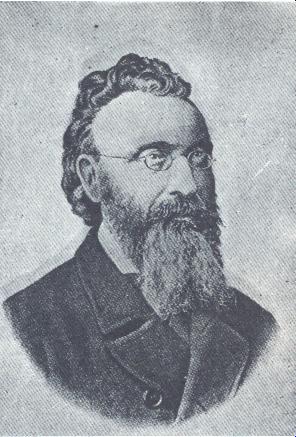
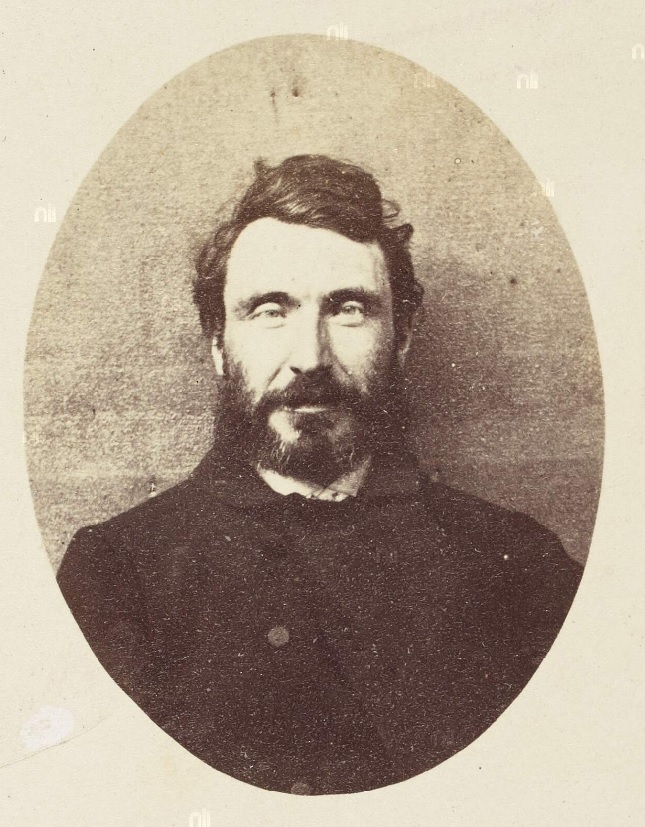
Charles Joseph Kickham later in life. (He died 1882.)
From TCD
MS 9649/123.
See copy in NLI
NPA POLI36.
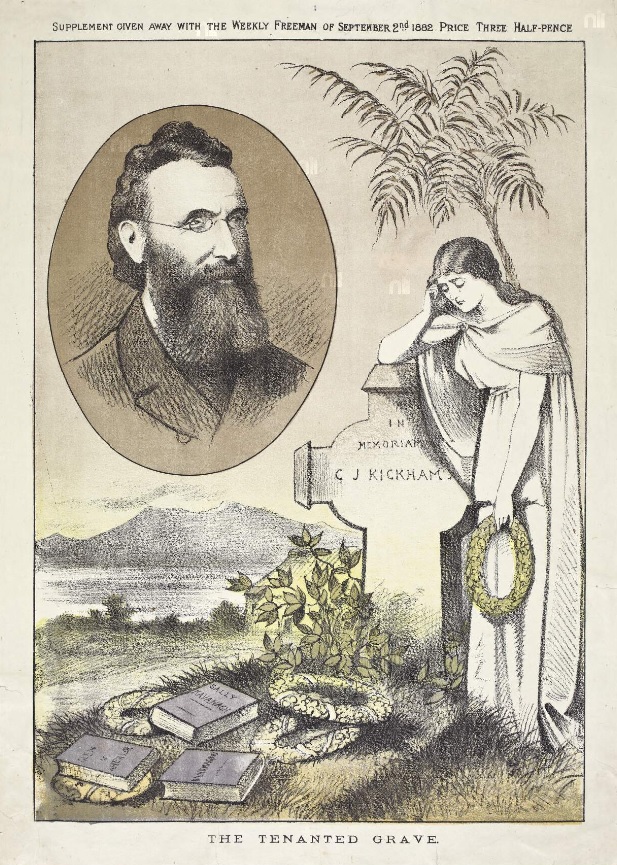
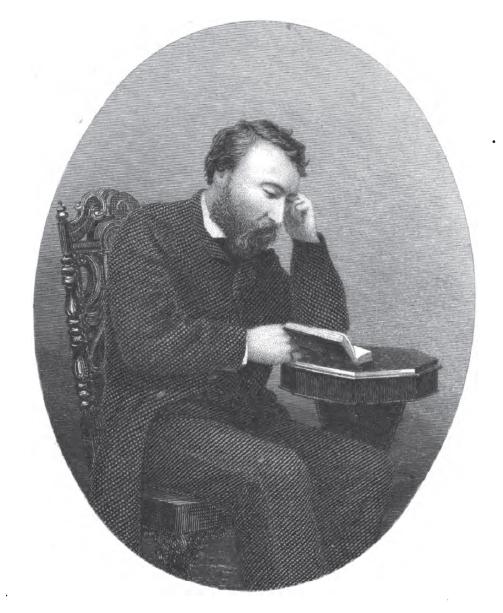
Charles Joseph Kickham.
Printed shortly after his death.
Supplement to "The Weekly Freeman", 2 Sept 1882.
From NLI.
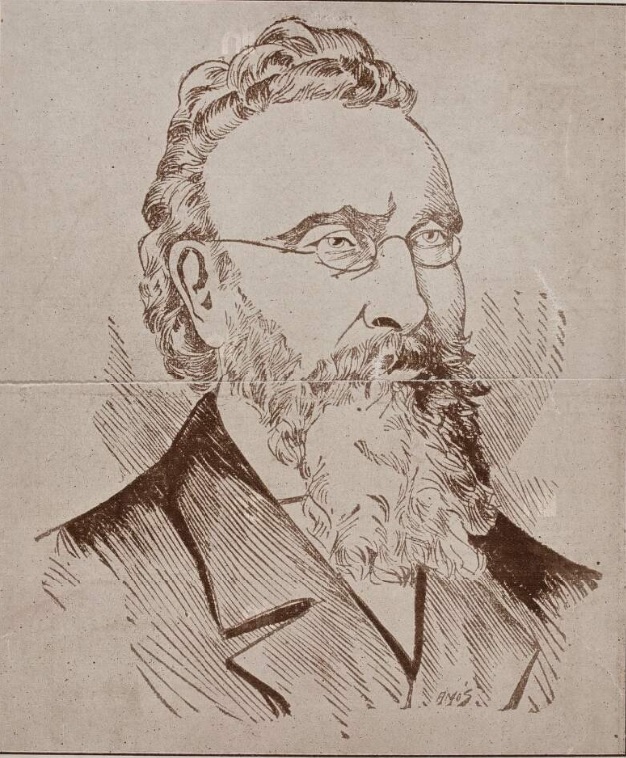
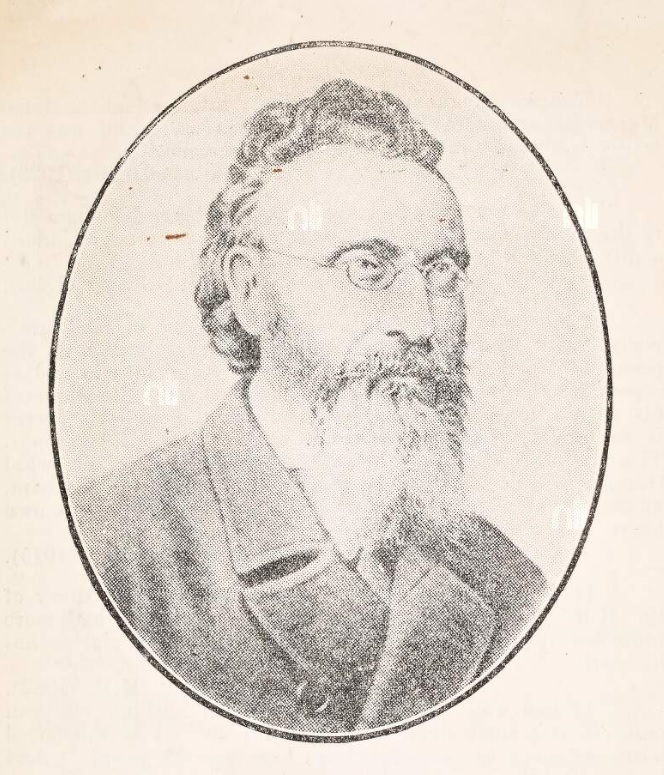
Charles Joseph Kickham.
Published 1928.
From NLI.
I had a note that this is him age 48, in 1876. But not sure what is source.
See another version.
Published in Kilkenny People, 1938.
From NLI.
See another version.
From here.
No source given.
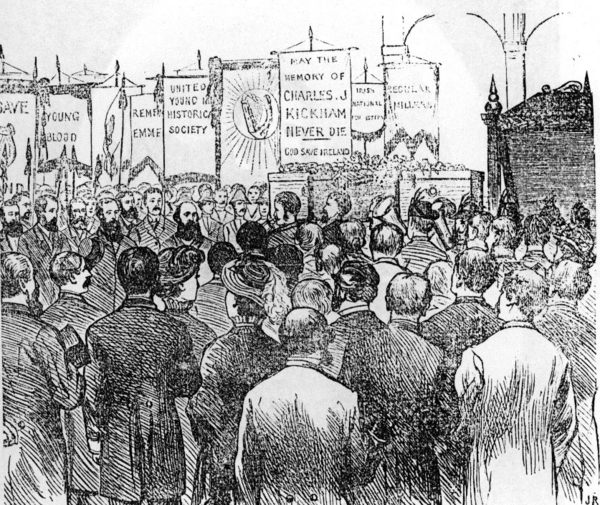
Sketch of Kickham's funeral cortege at Kingsbridge station, Dublin, Aug 1882.
Image courtesy of
Cork Multitext Project, UCC
(formerly here).
Used with permission.
Originally from United Ireland, August 1882.
See also NLI.
The Co.Tipperary anthem "Slievenamon"
being sung at the homecoming after Tipperary won the
All Ireland Hurling Final
in 2010.
It was not the grace of her queenly air
Nor her cheek of the rose's glow
Nor her soft black eyes, not her flowing hair
Nor was it her lily-white brow,
'Twas the soul of truth, and of melting ruth
And the smile like a summer dawn
That sold my heart away on a soft summer day
In the valley of Slievenamon.
In the festival hall, by the star-washed shore,
Ever my restless spirit cries.
"My love, oh, my love, shall I ne'er see you more.
And my land, will you never uprise?"
By night and by day, I ever, ever pray
While lonely my life flows on
To see our flag unfurled and my true love to enfold
In the valley of Slievenamon.
Please donate to support this site.
I have spent a great deal of time and money on this research.
Research involves travel and many expenses.
Some research "things to do"
are not done for years, because I do not have the money to do them.
Please Donate Here
to support the ongoing research and
to keep this website free.